NewVol. 62 · Published Nov 26, 2026 · Book + Claude skill + MCP
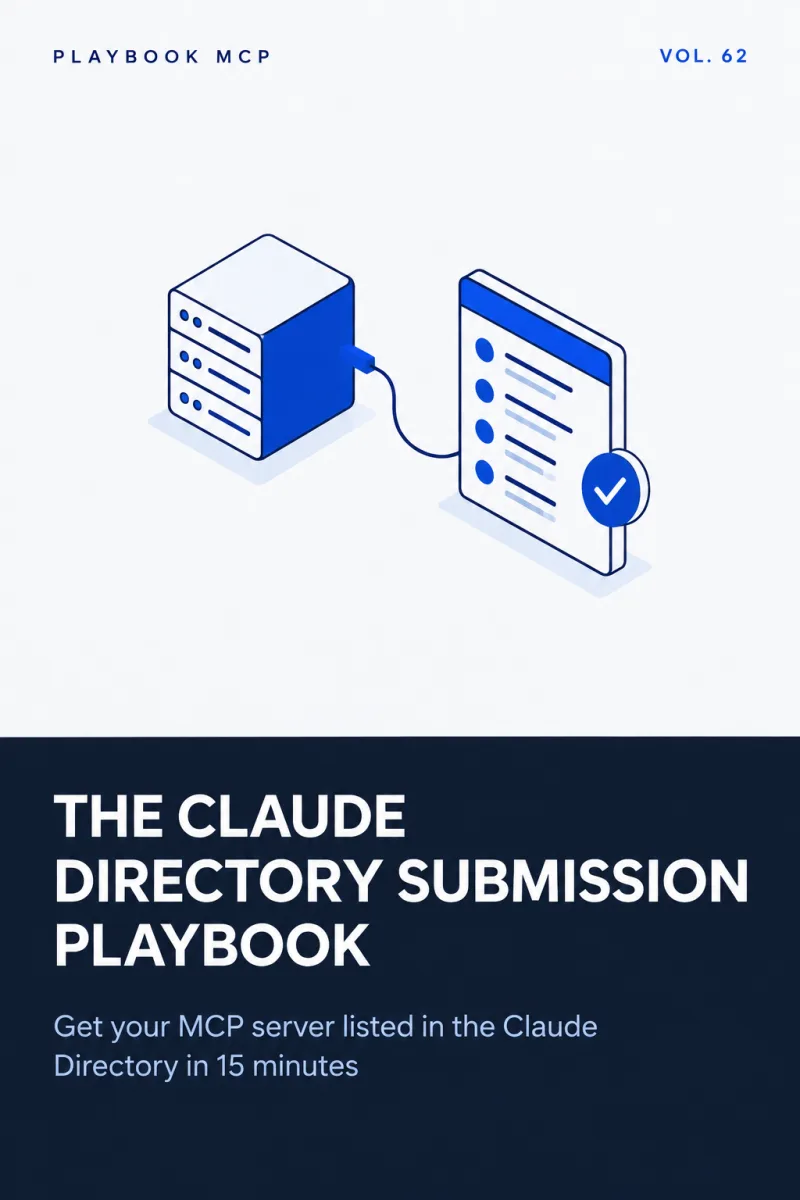
The Claude Directory Submission Playbook
Get Your MCP Server Into the Claude Directory Without Guesswork
$29 $5.80 Save 80%
Instant digital delivery. About 12k words.
About this playbook
Get your MCP server listed in the Claude Directory in 15 minutes
Only a Claude Directory listing makes your connector discoverable inside Claude. The open MCP Registry doesn't do that. The submission form reads your live server, though, and it flags missing annotations, tool descriptions that steer the model, and tools that mix reads and writes. Most delays come from fixing those problems halfway through the form.
This playbook covers the work you do before the form and the form itself. You check that the server is reachable, annotate every tool honestly, rewrite descriptions so they describe the tool instead of instructing the model, apply the money and safety rules, and self-test every tool. Then you fill in the portal from a prepared answers file, by hand or with Claude Code in Chrome, and you keep the listing healthy after review. It uses a real submission (FaxUp, a fax-sending MCP server) as its worked example.
Who it's for
- Founders and indie developers with a working remote MCP server who want Claude users to find it
- Small teams preparing their first connector submission at claude.ai/directory/manage
- Developers whose submission was flagged for missing annotations or tool descriptions that steer the model
- Builders of connectors that touch payments, who need a design that moves no money
- Anyone who wants an AI agent to handle the mechanical submission work while they keep the attestations themselves
What you'll be able to do
- Choose the right submitting account, organization and submission type before you start a draft
- Run DNS, reachability, redirect, firewall, OAuth discovery and public-page checks from outside your own network
- Give every tool a title and truthful readOnly, destructive, idempotent and openWorld hints, and split tools that mix reads and writes
- Rewrite tool descriptions to state what the tool does, takes and returns, and scan them for model instructions and hidden characters
- Replace any payment step with a return-a-link pattern so that no tool moves money
- Self-test every tool through MCP Inspector and as a custom connector in Claude, with a test log
- Write the listing, use cases, data-handling answers and reviewer notes within the field limits, then submit and maintain the listing
What's inside
Inside this volume
- 01
Before you start: account, server and pages
Plan and role rules, who owns the listing, HTTPS endpoint requirements, auth choices and an intake checklist.
- 02
Pre-flight the server and public pages
Copy-paste curl, dig and MCP Inspector checks, the stricter parts of Claude's OAuth client, firewall ranges and what the docs page should contain.
- 03
Annotate every tool
What the spec defines and what the directory requires, where the sources disagree, a decision table for hints, and FaxUp's real annotation values.
- 04
Describe, don't instruct
The five rejection patterns, why steering text is treated as prompt injection, real before-and-after descriptions and a scan script.
- 05
Money, safety and self-testing
Excluded use cases, the return-a-link payment pattern, data-minimization rules and a two-pass test method with a log template.
- 06
The listing, the form and Claude Code in Chrome
Field limits, slug rules, description and use-case templates, a step-by-step guide to the form, and a bounded prompt for filling it in with an agent.
- 07
After submitting, plus prompts
Review statuses, how to fix change requests, Community and Verified labels, update rules on every deploy, a gated main prompt and focused prompts.
Use it with your AI agent
Ask for the work. Your agent follows the playbook.
Install the Claude skill or connect the MCP with your license key. Then ask in plain language:
- “Run the pre-flight checks from chapter 4.2 against our production MCP URL and give me a preflight.md with pass or fail for each check.”
- “Go through every tool in this repo, propose a title and all four annotation hints with a one-line reason each, and flag any tool that both reads and writes.”
- “Rewrite our tool and parameter descriptions so they only describe what each tool does, run the 4.4 scan script and show me before and after.”
- “Use Chrome to fill the Claude Directory form from directory-submission.md, stop on any tool flag, and don't tick any attestation or press Submit.”
Questions
FAQ
Does it really take 15 minutes?
The form took about 15 minutes on a real submission once everything was prepared. Pre-flight work isn't included. If your tools lack annotations or your descriptions steer the model, plan on an afternoon of server changes first.
Can I submit a local MCP server?
Not on its own. The directory no longer accepts local servers packaged as desktop extensions (MCPB). A local server can only be listed inside a plugin bundle, and the playbook explains when to choose a connector, a plugin or both.
Will an AI agent submit the listing for me?
It can do the mechanical work: checks, diffs, drafting copy and filling fields. The playbook keeps the attestations, the self-tested box and the Submit button with you, and its prompts tell the agent to stop before them.
My connector involves payments. Can it be listed?
Connectors that transfer money are excluded. The playbook recommends a design where no tool moves money: the tool returns a link, and the user checks the details, pays and confirms on your own site.
Is the form layout in the book still current?
Form details are dated as of 2026-11, and Anthropic's documentation already describes a different step layout from the one the real run saw. The book maps both layouts and focuses on what each step asks for.
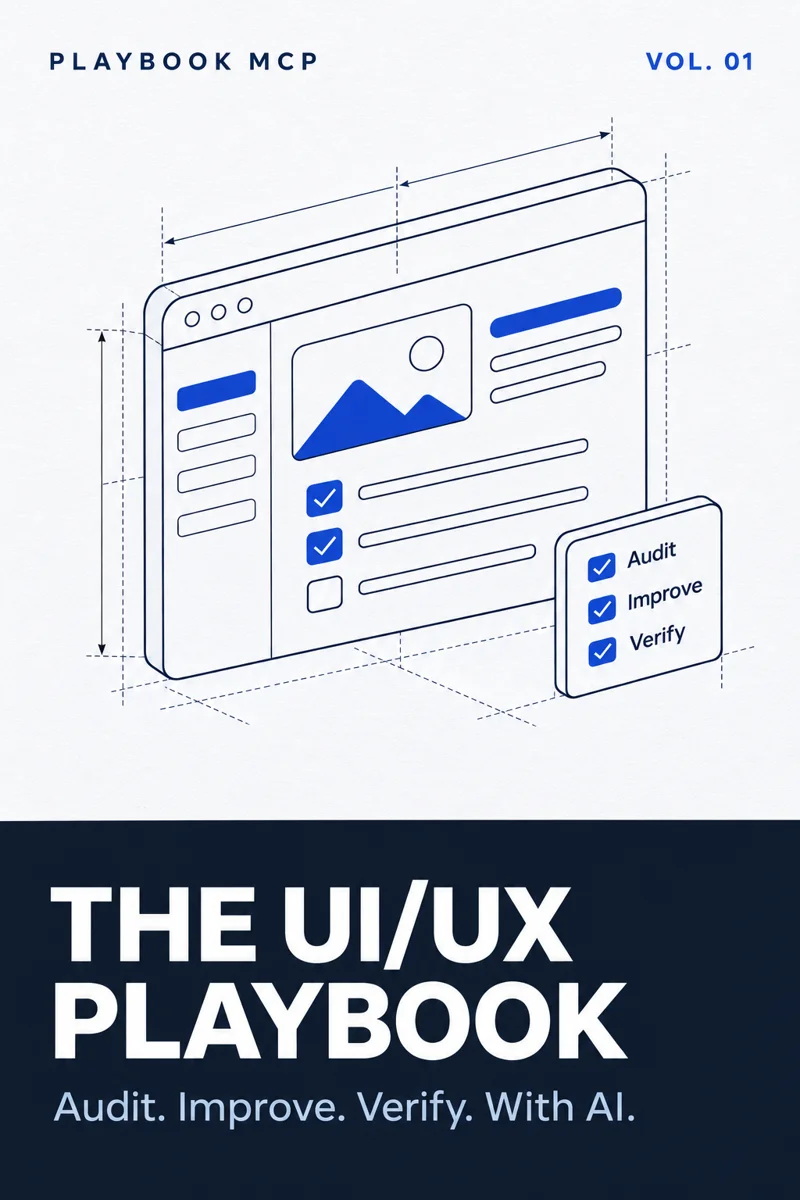

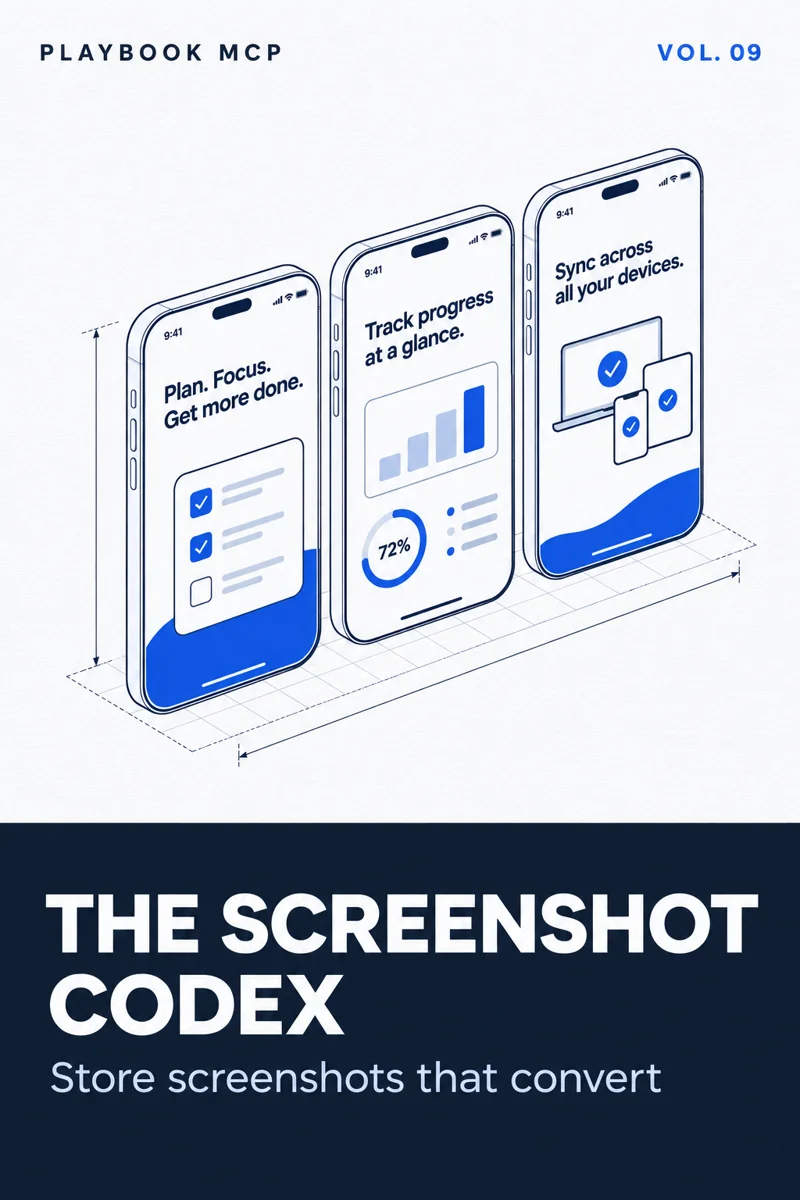
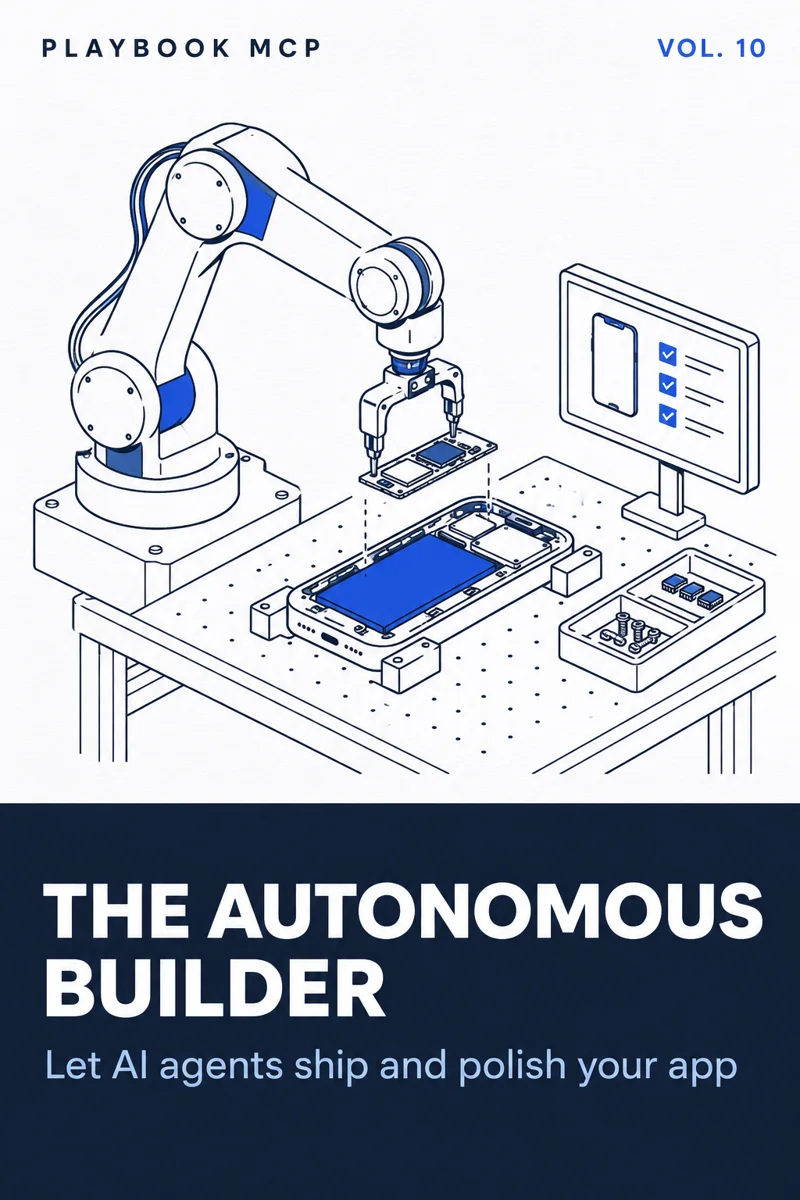
Better together
The Builder's Codex
Design, build, polish and ship apps with AI agents.
$551 $15.80 Save 97%